

Anyone who cares for a relative or is bedridden themselves knows that bedsores are a serious problem that puts a great deal of strain on many of those affected. Just a few hours of sustained pressure on sensitive areas of the body can be enough to cause lasting damage to the skin and underlying tissue. The consequences range from slight redness to deep, difficult-to-heal pressure sores, which not only cause pain but can also lead to dangerous infections.
This is where anti-decubitus mattresses come into play. They are an essential care aid that makes everyday care easier and significantly improves the quality of life of those affected. Special systems such as soft support mattresses or alternating pressure mattresses ensure that the load on the support surface is changed regularly and no permanent pressure points develop.
Find out exactly what an anti-bedsore mattress is, what types there are, how they work and what you should look out for when choosing one. We also provide practical tips for everyday use and show what support patients and relatives can expect.
What is an anti-decubitus mattress?
An anti-decubitus mattress, also known as a decubitus mattress or soft positioning mattress, is a specially developed mattress or overlay that aims to reduce the risk of decubitus ulcers or to treat existing pressure ulcers. It is one of the most important care aids in pressure ulcer prophylaxis, which are used both at home and in care facilities.
Difference to normal mattresses
While conventional mattresses often distribute body weight unevenly and put permanent pressure on certain areas of the body, pressure ulcer mattresses are designed to dissipate pressure better. Various techniques are used, from high-density foam and gel to complex alternating pressure systems with air chambers and a pump.
Objective of an anti-decubitus mattress
The goal is always the same:
- Pressure relief for sensitive areas of the body
- Prevention of bedsores
- Support in the treatment of existing pressure ulcers
A well-chosen anti-bedsore mattress can make the difference for patients between daily pain and greater comfort when lying down.
Causes and risks of pressure sores
To understand the importance of anti-decubitus mattresses, it is helpful to take a closer look at how pressure ulcers develop.
How do pressure sores develop?
If certain areas of the body are exposed to constant pressure over a long period of time, blood circulation is disturbed. Areas where the skin lies directly over bones and there is little muscle or fatty tissue in the body to act as a cushion are particularly at risk.

The result: the cells receive too little oxygen and nutrients. Initially there is reddening, which can later lead to open wounds. Without suitable treatment, the pressure ulcers spread deep into the tissue.
Body parts at risk
- Coccyx and buttocks: classic for bedridden persons
- Heels: due to permanent contact with the mattress
- Shoulder blades and elbows: in lateral position
- Back of the head: especially for very weak patients
Risk factors
In addition to lack of exercise, other factors also play a role:
- Age and fragile skin
- Underweight or very low fat tissue
- Overweight, which creates additional pressure
- Chronic diseases such as diabetes
- Moisture due to sweating or incontinence
The risk of pressure sores therefore increases if patients are permanently in bed or a wheelchair. wheelchair sitting. This is precisely where anti-decubitus mattresses with effective pressure distribution and movement promotion come in, by ensuring that pressure ulcers are effectively counteracted through alternating pressure.
The different types of anti-decubitus mattresses
Not every anti-decubitus mattress works in the same way. There are different types and systems, each with their own characteristics, advantages and areas of application. The choice depends heavily on the individual needs of the patient, the level of care, the risk of pressure ulcers and the existing care bed.
Basically, three main groups can be distinguished:
Soft mattresses
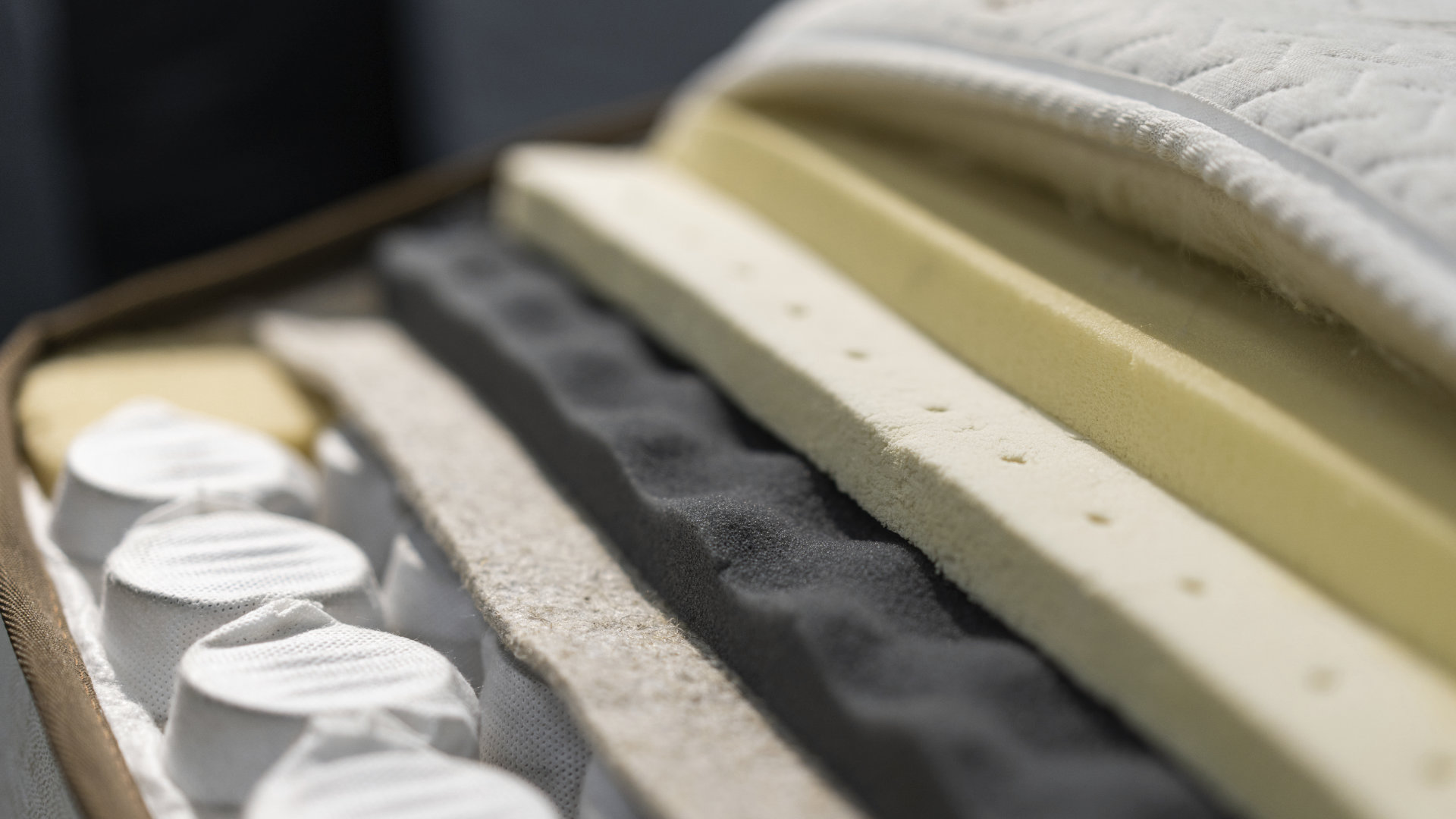
Soft support mattresses are often made of viscoelastic foam or special foam combinations that allow the body to sink in gently. The pressure is distributed evenly across the mattress due to the larger contact surface.
Properties:
- Particularly suitable for patients with a low to medium risk of pressure sores
- have a preventive effect through even pressure distribution
- Easy to use, no technical accessories such as a pump or air chambers required
- Silent and easy to clean
Advantages for everyday life:
These mattresses offer a high level of comfort and are particularly suitable for patients who are restricted in their mobility but still have a certain amount of movement of their own. They contribute to prophylaxis and are also a comparatively inexpensive alternative.
Alternating pressure mattresses
Probably the best-known form of pressure sore mattress is the alternating pressure mattress, which works with a special alternating pressure system.
How it works:
- The mattress consists of several air chambers that are alternately inflated and deflated using an electric pump.
- As a result, the contact surface changes regularly and no part of the body remains permanently stressed.
- This rhythmic alternation provides a kind of passive movement stimulation, even if the patient cannot move themselves.
Advantages:
- Ideal for patients with a high or very high risk of pressure sores
- Particularly effective for prolonged bed rest
- Effective decubitus prophylaxis and support in the treatment of existing pressure sores
Disadvantages:
- Higher price than simple soft mattresses
- Power connection required
- the pump produces a quiet noise, which some patients may find disturbing.
Combination systems
Some modern anti-decubitus mattresses combine the properties of soft support and alternating pressure.
Special features:
- they offer a stable base thanks to the foam core and at the same time the benefits of active pressure relief thanks to the integrated air chambers
- they can be flexibly adjusted depending on the patient's condition, sometimes as a soft support mattress, sometimes as an alternating pressure system
Practical example:
A patient who initially only has slight restrictions can start with soft positioning. If the condition worsens, the same mattress can provide additional safety by activating the alternating pressure system.
Functionality of alternating pressure systems
An alternating pressure mattress is one of the most frequently used solutions in pressure ulcer prevention and treatment. Its particular advantage is that it actively ensures changing pressure conditions and thus prevents constant pressure on individual parts of the body.
Principle of alternating pressure
The system works according to a simple but very effective principle:
- Some of the air chambers are filled and carry the patient.
- At the same time, other chambers are vented, which changes the contact surface.
- After a set time interval (e.g. every 5-10 minutes), the pattern changes so that other areas of the body are relieved.
This creates a permanent alternation between strain and relief. This process basically imitates the micro-movements that a healthy person unconsciously performs during sleep.
Advantages in everyday care
The use of alternating pressure systems offers numerous advantages:
- Pressure relief: No part of the body remains under constant pressure for long periods of time.
- Encouraging movement: The alternating support surface acts as a passive movement, which is particularly important for patients who are unable to turn themselves.
- Improved blood circulation: The rhythmic change supports the skin and tissue supply.
- Pressure ulcer prophylaxis: Particularly effective for patients at high risk.
- Supporting treatment: Even existing pressure ulcers can heal better as the strain is minimized.
Adaptation to the patient's needs
Modern alternating pressure mattresses can be individually adjusted:
- Degree of hardness: by regulating the air pressure in the chambers
- Programs: fast or slow change of cycles
- Special modes: e.g. static mode for care actions or repositioning
This means that the mattress can be tailored precisely to the patient's needs.
Practical example
A patient who is completely bedridden and at high risk of pressure sores is positioned on an alternating pressure mattress. During the day, the system automatically changes the pressure distribution so that the nurse does not have to constantly reposition the patient manually.
Relieving pressure on sensitive areas of the body such as the coccyx and heels significantly reduces the risk of pressure sores. At the same time, the caregiver gains valuable time that can be used for other tasks or for personal attention.
Advantages of an anti-decubitus mattress
- Prevention of pressure sores and ulcers
- Pain relief for existing pressure ulcers
- Making everyday life easier for carers
- Promoting the independence of those affected
- Support for therapy through better pressure distribution
Areas of application in everyday care
Anti-decubitus mattresses are an important addition to everyday care and can be used both in home care and in care facilities.
In home care
Anti-decubitus mattresses are an indispensable aid for people who are permanently in bed.
In care facilities
They are also part of the basic equipment in professional facilities to reduce the risk of pressure sores.
Practice: Choosing the right mattress
The following points should be considered when choosing a suitable pressure sore mattress:
- Degree of care and risk of the patient
- Size and weight
- Support surface in the existing care bed
- Types of mattress (alternating pressure, soft support, combination)
- Individual needs and comfort
Criteria for the right decision
The choice of a suitable anti-decubitus mattress should be carefully considered. Not every model is suitable for every patient, and requirements can vary greatly depending on the patient's state of health, mobility and daily care routine.
Body weight and mobility
The patient's body weight is a decisive factor in the selection process:
- Lighter people often benefit from a soft support mattress, which offers sufficient protection thanks to the large-area pressure distribution.
- Heavier patients, on the other hand, require a more stable system with a high load-bearing capacity. Here, alternating pressure mattresses or combination systems that reliably regulate the pressure even under high loads are useful.
Mobility also plays an important role:
- Patients who can still move independently usually only need a supportive support surface for prophylaxis.
- An active alternating pressure system is essential for completely immobile people, as it compensates for the lack of movement.
System compatibility
An anti-decubitus mattress must match the existing care bed. The following factors should be taken into account:
- Size and dimensions: The mattress must be precisely matched to the bed in order to avoid slipping or dangerous gaps.
- Height: Some systems are relatively high, which can affect the side rails of a care bed.
- Overlays and accessories: Additional overlays such as incontinence pads or hygiene protection must be compatible with the mattress without restricting its function.
- Power connection: For alternating pressure systems, it must be ensured that the pump can be connected safely.
Maintenance and cleaning
The care of the mattress should also play a role in the decision:
- Soft foam mattresses are easy to clean and require little technical knowledge.
- Alternating pressure systems require a little more attention, as the air chambers must be checked regularly and the pump must be maintained.
- Removable, washable covers are a great advantage to ensure hygiene in everyday care.
Price, assumption of costs and offer
The prices vary greatly:
- Soft support mattresses are usually cheaper and are available from just a few hundred euros.
- Alternating pressure systems cost more, but are often more effective where there is a high risk of pressure sores.
- With a recognized degree of care care insurance companies often cover the costs or provide the products on loan.
It makes sense to compare different offers and seek advice from a medical supply store in order to find the best price-performance ratio.
Needs and individual situation
Ultimately, the decision should not be based solely on technical criteria. Important questions are:
- How high is the risk of pressure sores?
- What pre-existing conditions do you have (e.g. diabetes, heart failure)?
- How long is the person expected to be in bed?
- What support can be provided by caregivers or relatives?
Close consultation with nursing staff and, if necessary, doctors is recommended in order to make the right choice.
Costs, prices and offers
Prices for anti-decubitus mattresses vary depending on the model, size and system.
- Soft mattresses: often cheaper
- Alternating pressure systems: more cost-intensive but very effective
Many care insurance companies will cover all or part of the costs if an application is submitted. It is important that the mattress is care aid is recognized.
Conclusion: Support for patients and caregivers
Anti-decubitus mattresses make a decisive contribution to the care of people who are bedridden. They increase comfort, reduce the risk of pressure sores and make everyday care considerably easier.
If you are looking for a suitable anti-decubitus mattress or have questions about the selection, our agency for home help will be happy to advise you. We will help you make a decision, show you suitable offers and ensure uncomplicated delivery.