
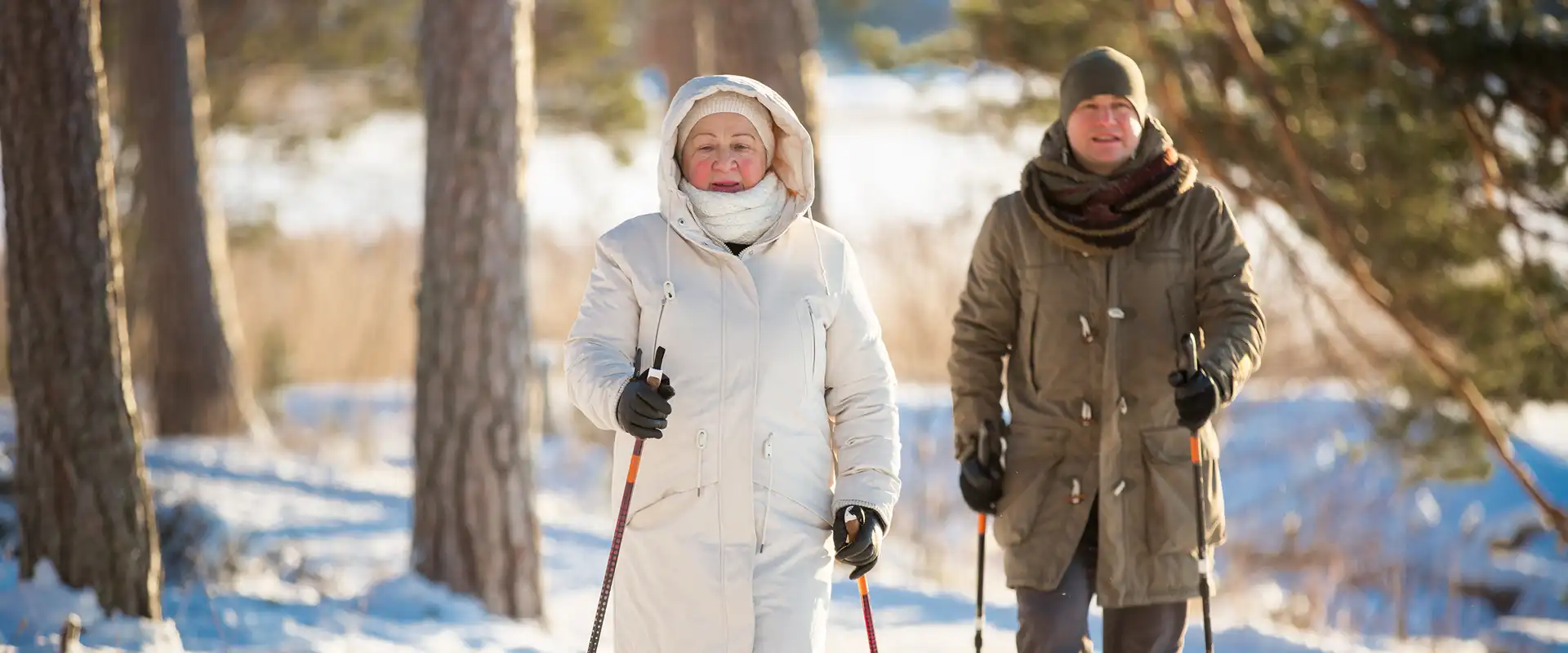

The winter months can be a dangerous time for seniors. With the cold weather, slippery sidewalks and icy roads, it's important to take precautions to stay safe and healthy. Here are some tips to help you get through the winter safely!
The wind is icy, it is raining or snowing and the hours of daylight feel increasingly few and far between. The dark season, winter, is a challenging time for everyone, and even today it is important to survive it as unscathed as possible. To get through the winter safely and healthily, senior citizens should therefore follow a few tips and take precautions in advance.
The greatest danger: falls in snow and ice
During the winter months, slushy and icy roads and sidewalks can significantly increase the risk of slipping for people of all ages. Unfortunately, for seniors, this leads to falls that can cause more serious injuries such as hip and wrist fractures, lacerations and skin abrasions. These careless accidents can be devastating. While younger people tend to suffer less from the side effects of falls, seniors can have additional difficulty recovering. It is therefore important that seniors are equipped with the proper protective gear in cold weather to avoid dangerous slips and falls.
The right footwear for winter
When you go out, shoes with a sturdy, non-slip sole are essential to protect you from falls. The tread on the underside provides extra grip on surfaces that have become slippery due to wetness or leaves. These seemingly harmless elements can quickly conceal uneven or otherwise dangerous areas underfoot. Wearing non-slip footwear can be a wise precaution to avoid potential falls.
Shoe spikes? Additional grip in all weathers
Shoe spikes are a great way to improve traction in snowy and wet conditions. These are metal pins or claws that you can attach to the sole of your shoes with a rubber mount, often found in sports stores. For even more grip, make sure you wear sturdy shoes with a non-slip sole and sufficient tread. If you enter a home or store with slippery floors, you need to be extra careful to avoid accidents caused by slips and falls. It's best to take your shoes off at home if they get wet, as puddles on the floor can lead to slips and potentially serious injuries.
Active use of daylight
Make the most of the sun whenever possible. Not only does it produce vitamin D, which is essential for strong bones and a healthy immune system. Why not plan your daily activities so that you run your errands in the morning or during your lunch break? That way, you'll benefit from the sunlight of the day and still have time to come home in the afternoon or evening and relax with a cup of tea and a good book while maintaining your productivity.
Eyeglass check at the optician
The start of winter is a good time to make an appointment with your optician. Routine check-ups ensure that our vision remains clear and that our glasses are up to scratch. Optimal visual acuity should be at the top of everyone's health care plan. Having up-to-date glasses can not only help us to see better in low light conditions, but also prevent accidents during the dark winter months. Opticians are trained professionals who know how to perform comprehensive eye exams. So if you don't already have an optician, it's important that you find one you trust and make regular appointments, including for check-ups.
Winter check of the rollator
Rollators are a convenient way for people with mobility impairments to get around in their daily lives. However, the winter season can present particular challenges, such as slippery surfaces due to snow and wet conditions. It is therefore particularly important that anyone using a rollator in winter takes the necessary precautions by having the device checked free of charge at a medical supply store beforehand.

The safety checks are usually free of charge and cover important points, from checking the brakes to ensuring that the reflectors are correctly fitted, which improves visibility for other road users. The safety of rollators should not be neglected in winter and should be treated with the utmost attention. Your safety always comes first!
The right winter clothing: Onion look or light-colored clothing?
In low temperatures and cold winds, it is important that you keep your body temperature stable and avoid hypothermia. Clothing such as hats, scarves and gloves as well as warm boots are important. This applies in particular to parts of the body that cool down quickly, such as the nose, ears, toes and fingers.
Another protective measure you can take is to wear several layers of clothing - this technique is commonly referred to as the 'onion look'. If you are outdoors in the dark, light-colored clothing - preferably white - is particularly helpful. White shoes are a good choice because they reflect the light from car headlights that illuminate the ground around you.
Check and attach reflectors for rollators and clothing
Reflectors help to ensure your visibility when it's dark outside and can significantly reduce the risk of accidents. Reflectors are easy to attach - whether by attaching them directly to your clothing, using Velcro strips or stickers, or fitting a wheelchair, rollator or walker with a flashing red bicycle light. Reflectors may only be small details, but their effect on your safety should not be underestimated.
Tip: Carry mini flashlights with you
Flashlights are indispensable in winter. For safety reasons, it is important to pack a small, reliable flashlight, which can come in handy when you are walking in areas without sufficient lighting. Flashlights make it easier to spot tripping hazards, e.g. on a dark sidewalk. A flashlight can protect you from possible injury and ensure a safe journey home.
Fit in winter: The diet
Winter nutrition is essential for a healthy lifestyle. Getting the right amount of vitamin D is particularly important as it plays a crucial role in maintaining the health of our teeth and bones. A lack of sunlight can often lead to a vitamin D deficiency, which can easily be remedied by eating more milk, cereals and fish.
In addition, consuming these necessary vitamins can also improve mood. Winter vegetables such as kale, savoy cabbage and pointed cabbage are an excellent choice to increase your vitamin D intake as they provide high amounts of fiber, which helps keep pathogens at bay. Also discuss with your trusted doctor whether you should take additional vitamin D products (supplements).
Drinking problem: make sure you drink the right amount of fluids
Adequate hydration is incredibly important all year round, but especially in winter when the air is so dry and there is a risk of dehydration. According to guidelines, adults should consume 1.5-2 liters of water per day - and plenty of warm tea in your diet is a good start! By consuming this amount of fluid, you can ensure that you stay hydrated and healthy during the colder months.
Tip: Tea rituals help you to drink the right amount of tea
When you make tea a ritual, it can be a delicious and comforting way to connect with yourself and your loved ones. Serve it alone as part of your self-care routine or share it with your family, friends and other loved ones as a reminder that you are connected by something small but meaningful.
To make the experience even more special, you can add a slice of lemon - not only does it taste good, but its soothing properties can also relieve coughs and colds. Please note that the vitamin C contained in the lemon is sensitive to heat. So let the boiled water cool down before you pour it on and then drink it immediately.
Through the winter with a sauna
Visits to the sauna can have a profound effect on the body's thermoregulation. Regular sauna visits allow people to regulate their body temperature much better and adapt to changing temperatures. This means that sauna-goers often sweat less in summer and do not freeze as quickly in winter. This improved ability to regulate body temperature even means that they are less susceptible to cold and flu viruses. Saunas are a great way to train the body's natural thermoregulation and prepare it for all seasons and weather conditions!
Vitamin deficiency in winter? It doesn't have to be!
Vitamin deficiency is one of the main factors in the weakening of the immune system, especially in older people. To prepare your body for winter and strengthen its defenses, it is therefore important to eat a vitamin-rich diet with plenty of fruit, vegetables and other healthy foods that stimulate the immune system. Regular walks help to improve your circulatory system and prevent certain cold weather ailments. Finally, getting enough sleep allows the body to recover to ward off potential illnesses and protect the body from winter bacteria. Therefore, it is recommended that people over 65 take precautions in the fall so that they can fight off colds that may occur in the winter.
Inform relatives or carers
Finally, it is advisable that you inform someone, e.g. a family member or close friend, of your whereabouts if you are traveling alone. This is especially important if you are unable to call for help in an emergency. By letting someone know where you will be, they can take appropriate action to ensure your safety in the event of an accident while you are away from home.